Grow your impact beyond the workplace
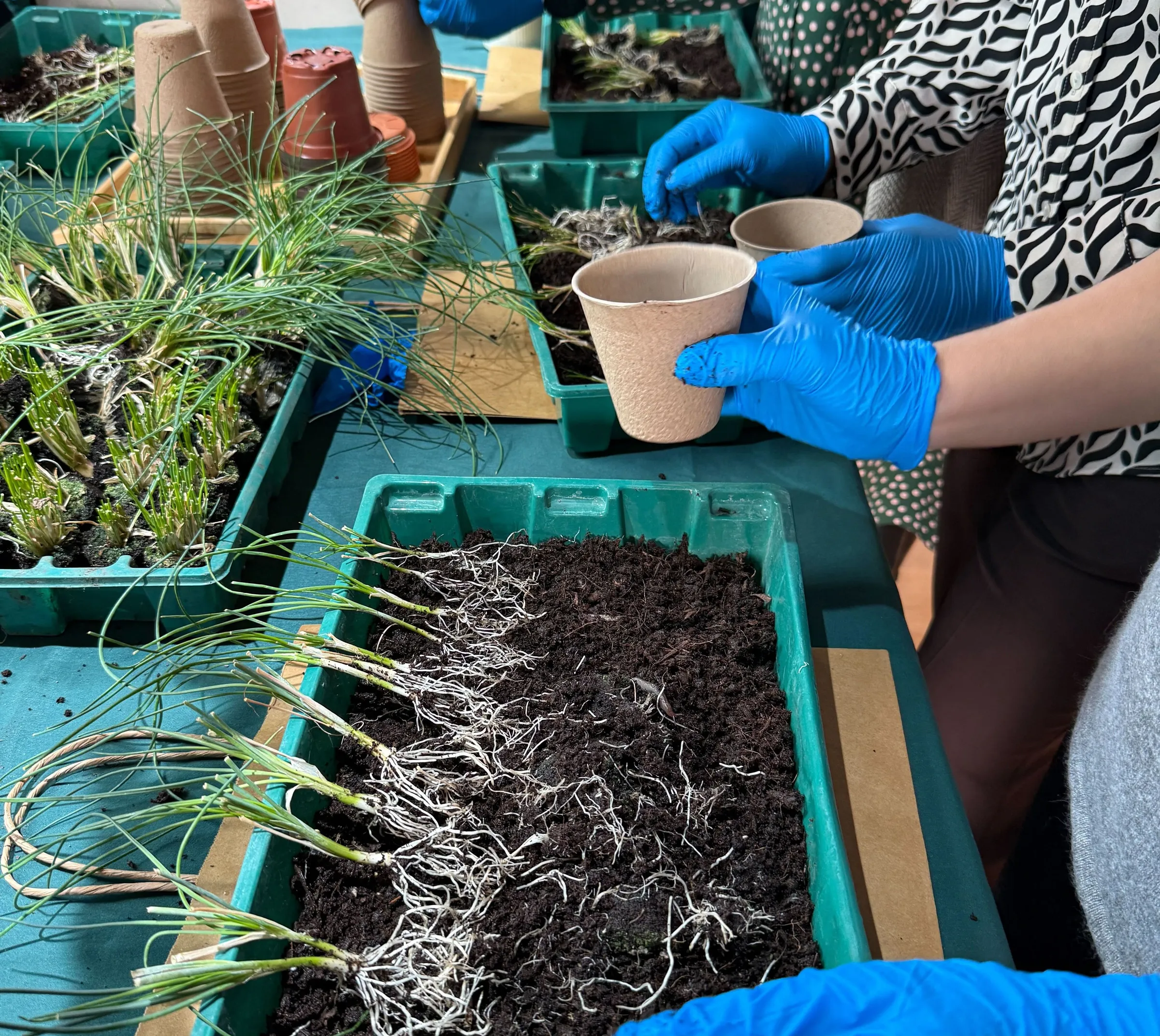
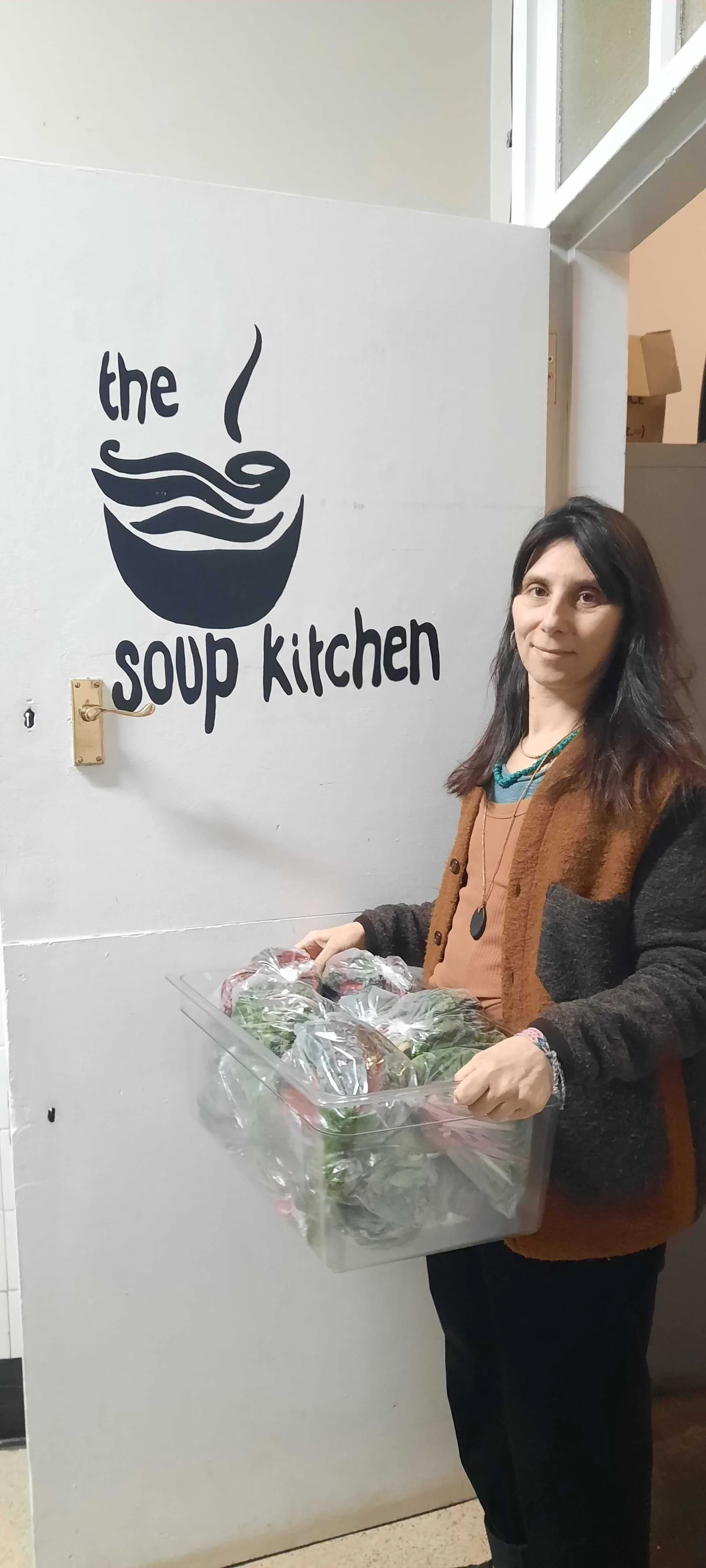
A Farm can create opportunities to make a difference beyond the building where it grows. From sharing fresh produce and growing knowledge to supporting schools, charities and community groups, workplace farming can help organisations turn social impact commitments into practical, hands-on activity.
Over 10,000
portions of fresh produce to charity and community groups in 2025
25,000
people engaged
120
engaged communities
150,000
portions of food
How can a Farm support social impact?
A Farm can help create positive change for people and communities through food, growing and education.
Fresh produce can be shared with community partners, while growing workshops and educational activities can help people learn more about food, nutrition and sustainability.
For organisations looking to connect with their wider communities, the Farm can be a starting point for activity that employees, occupiers and community partners can take part in.
Creating impact through food and growing
Share
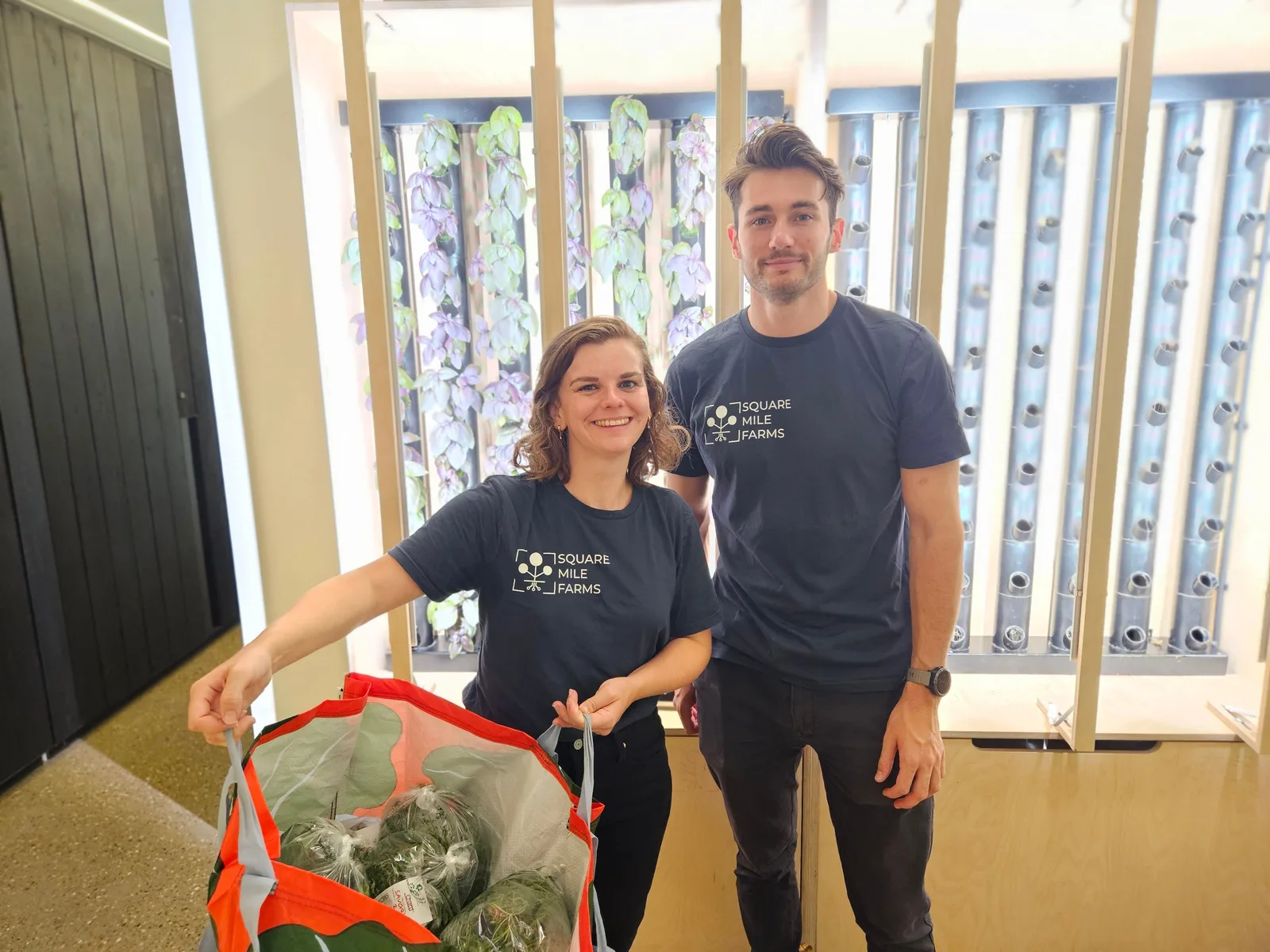
Use fresh produce to support community partners and local initiatives.
Teach
Create hands-on opportunities to learn about food, growing, nutrition and sustainability.
Participate
Give employees opportunities to get involved in community-focused activities.
Connect
Use food and growing to build relationships with the wider communities.
Inspire
Help people see where food comes from and explore sustainability.
Take the Farm beyond the office
Organisations can use their Farm programme as a starting point for wider community activity, from sharing fresh produce and growing knowledge to supporting schools, charities and community organisations. By connecting workplace food growing with external partners, a Farm can become part of a broader social impact programme.
Help people see where food comes from
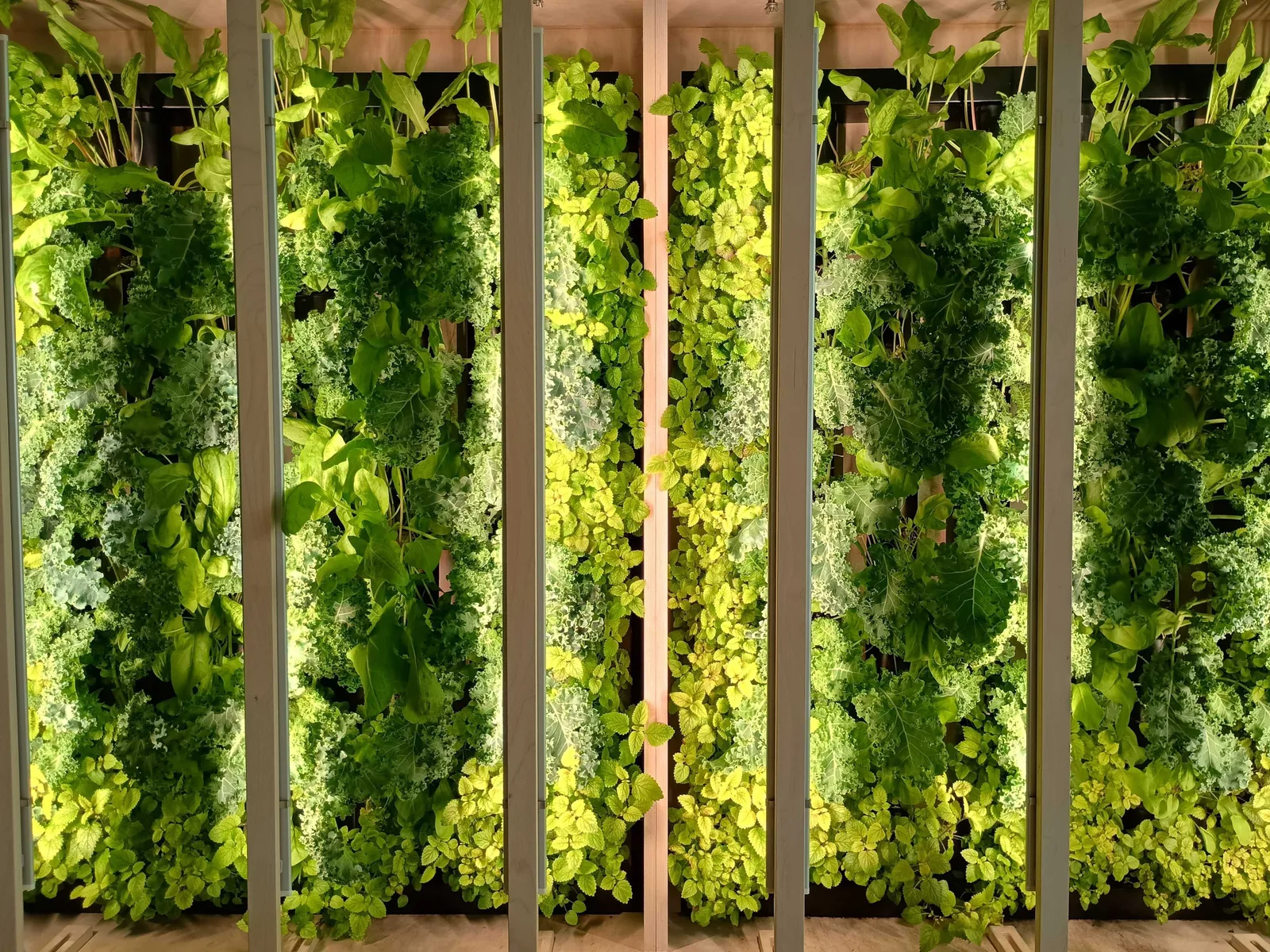
Growing food provides a tangible way to start conversations about nutrition, sustainability and the food system.
Seeing crops grow, harvesting them and tasting fresh produce can help people understand the journey from plant to plate.
Growing activities can be used to create hands-on learning experiences for adults and children, helping make subjects such as food production, healthy eating and sustainability more accessible.
Create opportunities to get involved
Community growing
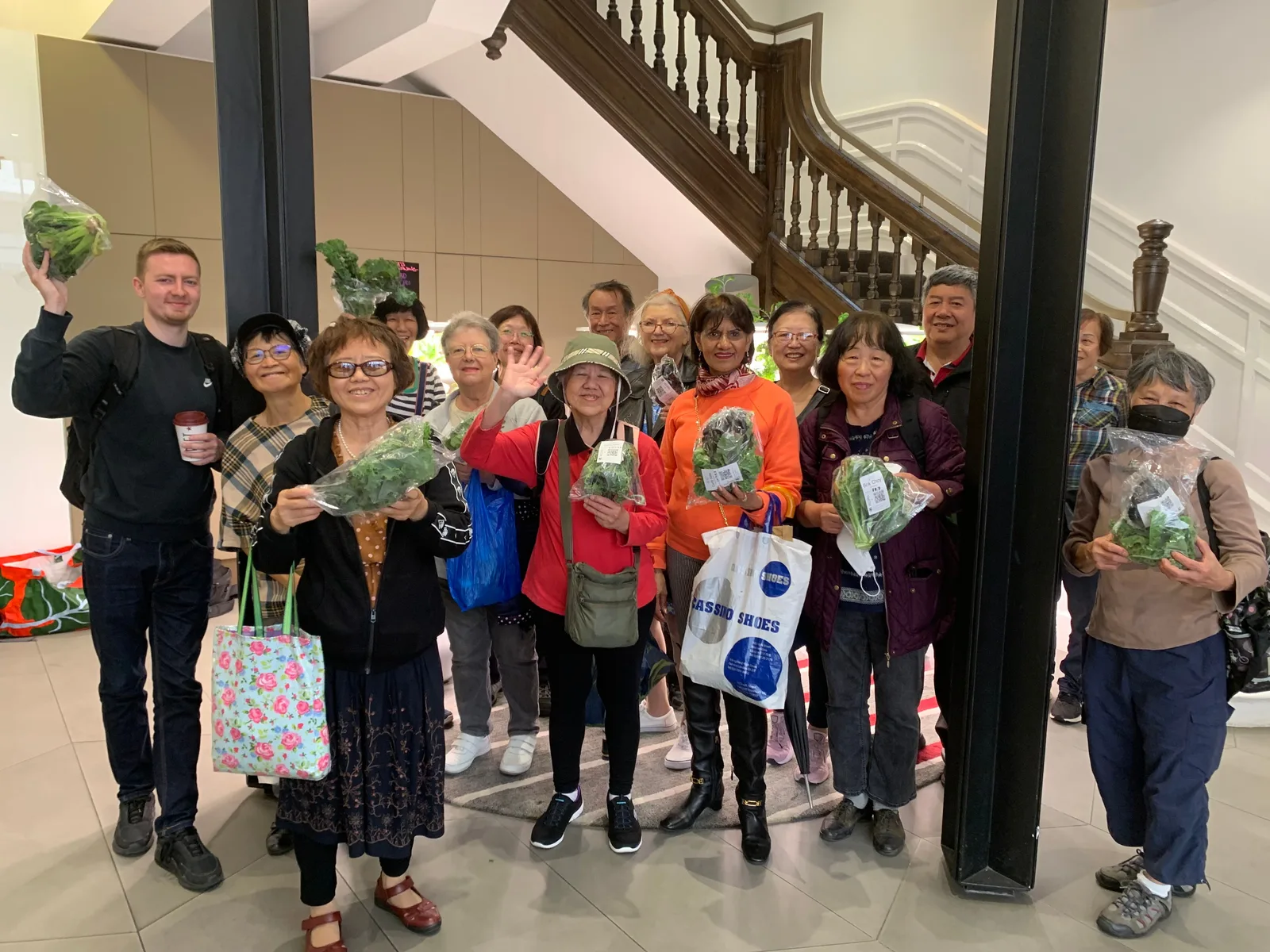
Support growing projects that give community organisations access to fresh produce and growing experiences.
School activities
Use food growing to help children learn about plants, food, nutrition and sustainability.
Employee volunteering
Create opportunities for workplace communities to share their time and knowledge with others.
Food sharing
Use fresh harvests as part of initiatives that support charities and community partners.
Can growing food change the way people think about it?
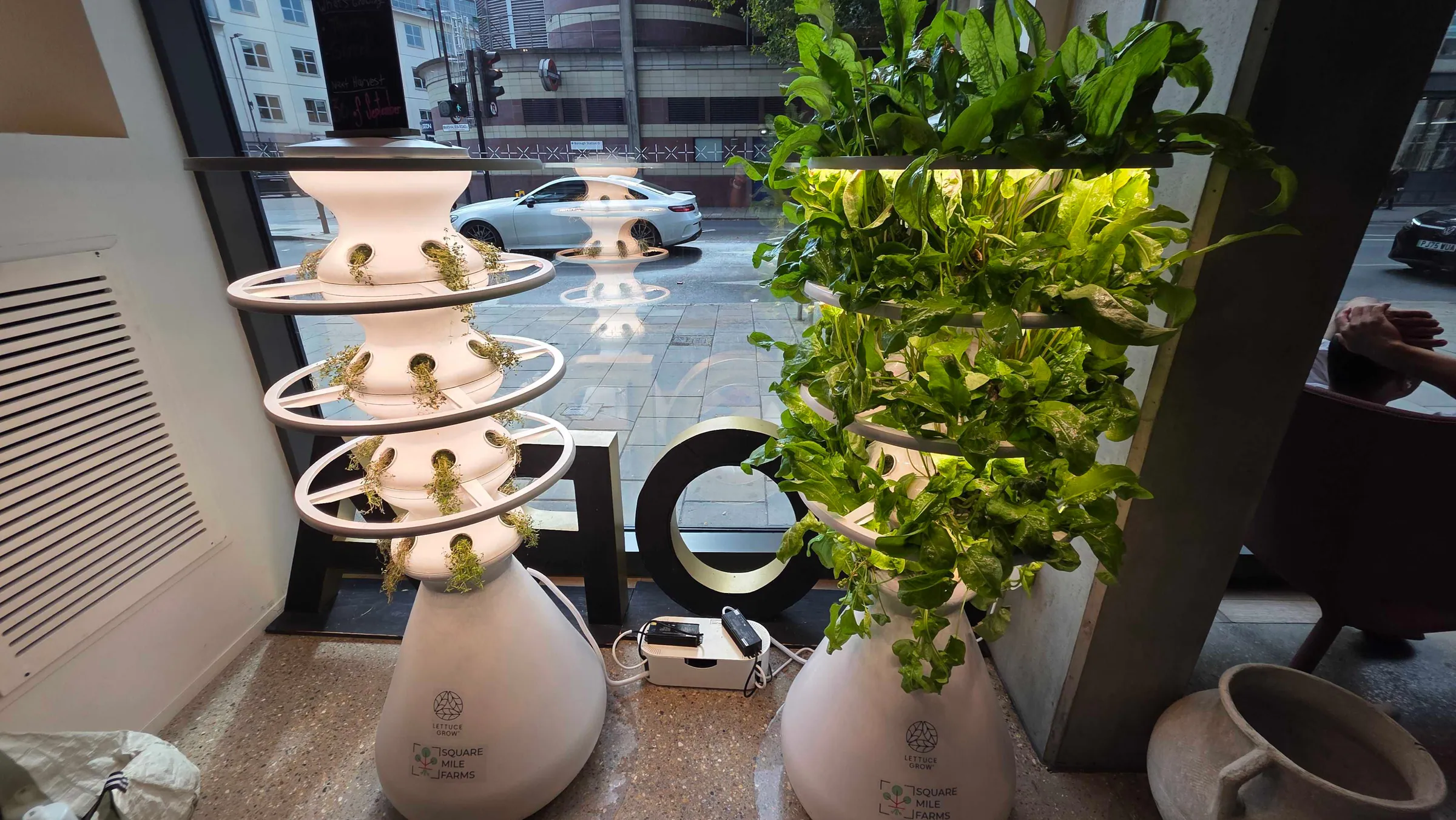
It's easy for food production to feel disconnected from everyday life, but growing food where people can see and interact with it helps make the process more visible. Harvesting a crop, or tasting something freshly grown can prompt conversations about where food comes from, how it is produced and what happens when it's wasted. A Farm won't change behaviour on its own, but it can create opportunities for people to become more curious and informed about the food choices they make.
See
Watch food develop from seedling to harvest.
Experience
Take part in growing, harvesting and tasting.
Learn
Explore connections between food, health and the environment.
Workplace wellbeing in action
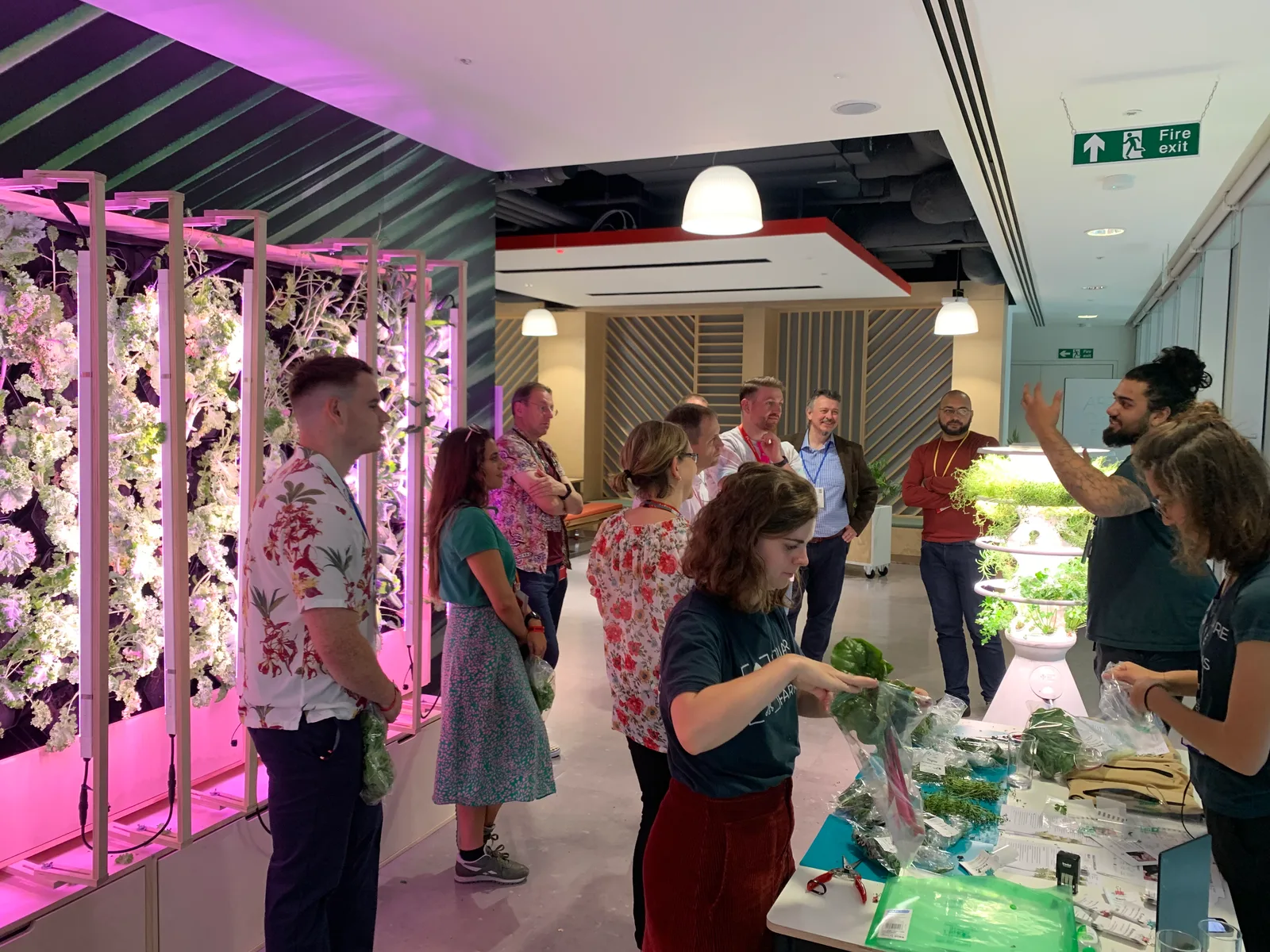
See how organisations are using Farms to bring food, nature and shared experiences into everyday workplace life.
A sustainable employee experience
A workplace Farm gives employees opportunities to spend time around edible planting, take part in regular harvests and enjoy freshly grown produce, while supporting the organisation's wider sustainability programme.
Bringing colleagues together
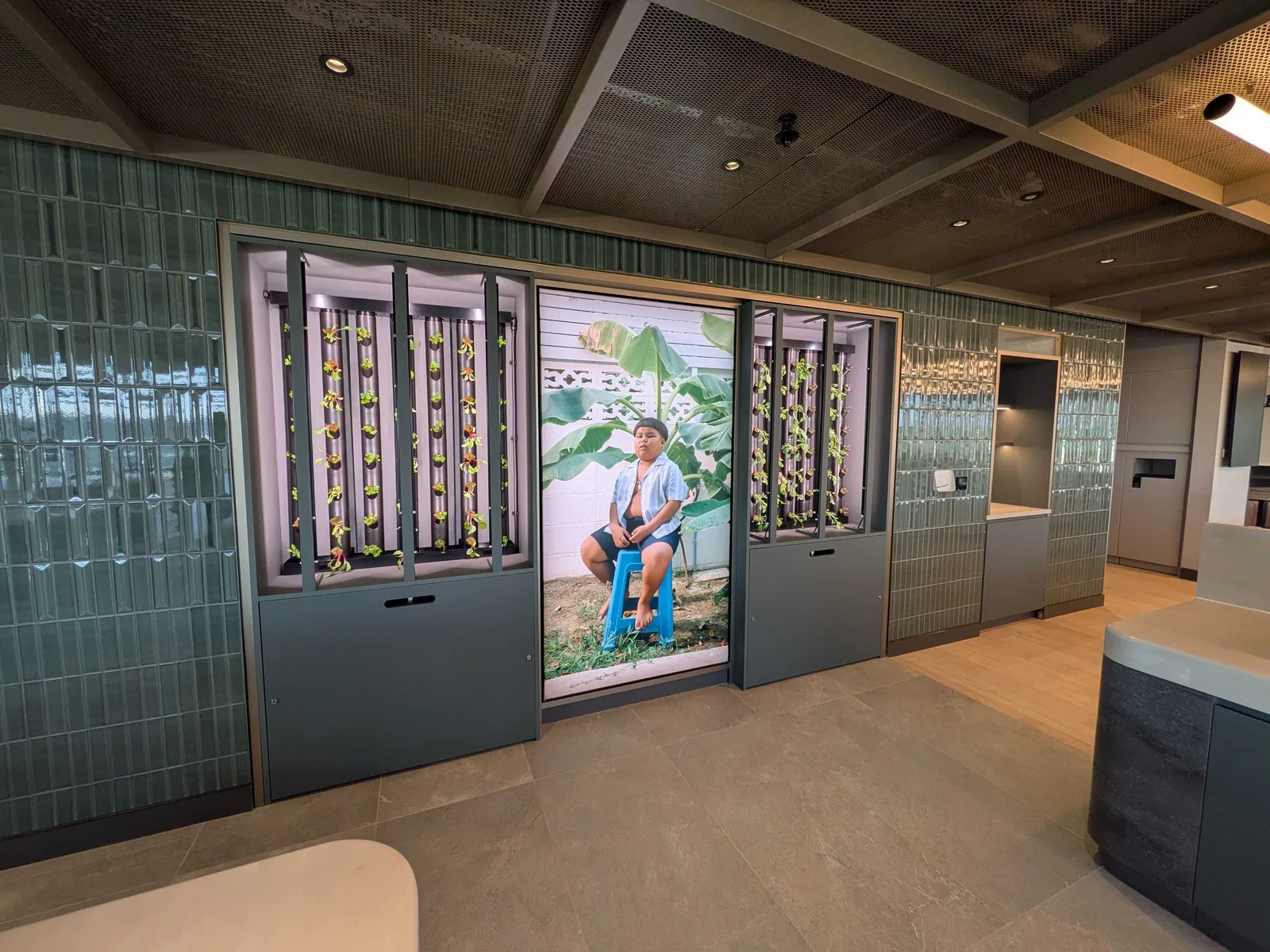
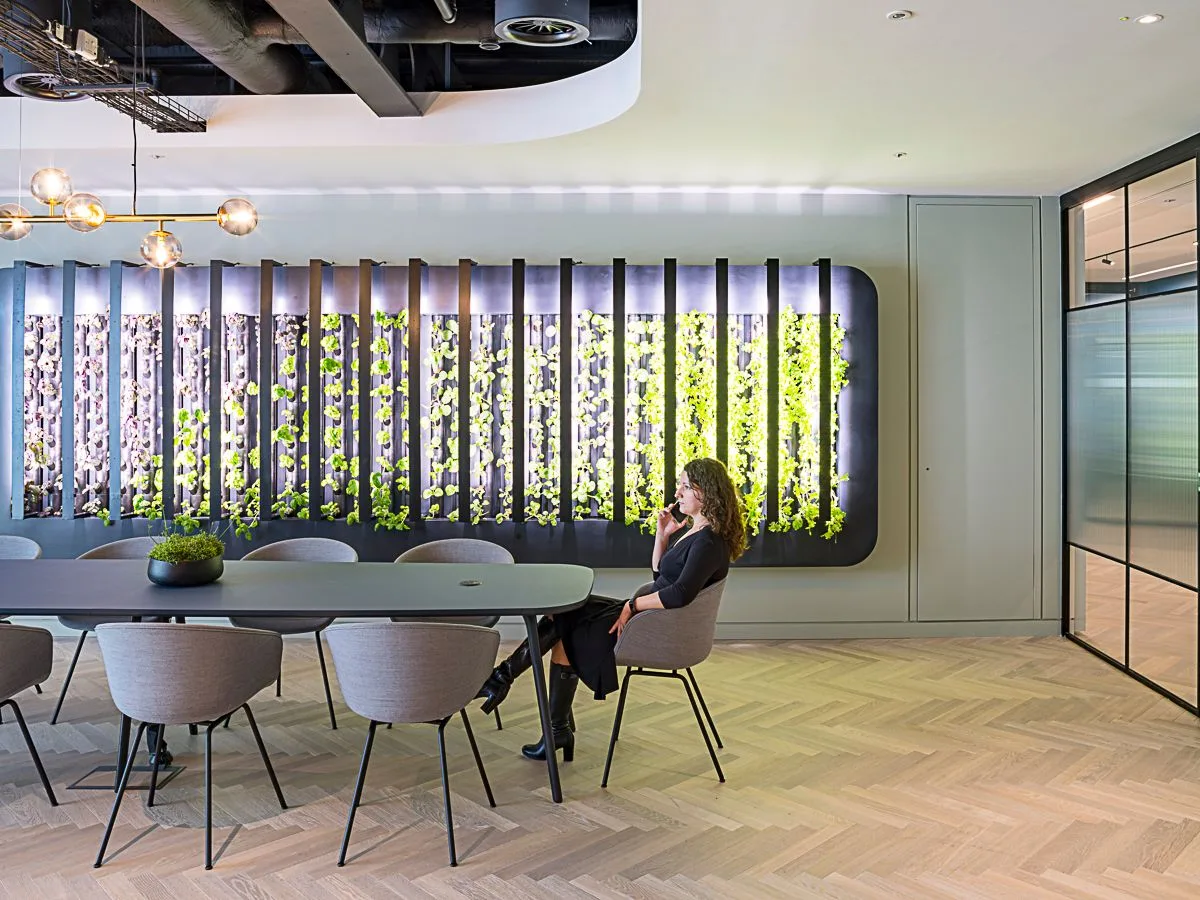
A Farmwall incorporated into a catering space grows fresh produce while supporting a workplace designed around opportunities for colleagues to meet and exchange ideas.
Frequently asked questions
How can an Office Farm support workplace wellbeing?
An Office Farm brings living edible plants, fresh food and hands-on activities into the workplace. Employees can interact with the Farm through regular harvests, learn about growing and nutrition and take freshly harvested produce home.
What is productive biophilia?
Productive biophilia combines access to plants and nature with a practical purpose. In an Office Farm, the planting isn't purely decorative: it grows fresh herbs, salads and leafy greens that people can harvest and eat.
Can an Office Farm encourage healthier eating?
An Office Farm makes fresh produce visible within the workplace and gives employees opportunities to harvest and eat what is grown. Farms can also support nutrition education, recipes, workshops and workplace catering.
Can an Office Farm support WELL certification?
Workplace farming can align with WELL features relating to areas including Nourishment and access to nature. The contribution of a Farm depends on the individual project and certification requirements, so projects seeking certification should work with a WELL Accredited Professional.
What happens at an Office Farm harvest?
Our Urban Farmers invite people to participate in harvesting the crops, explain what's growing and share advice about food, recipes and growing at home. Produce can then be taken home or used within the workplace.
Who looks after the Farm?
Square Mile Farms provides ongoing Farm care. Our Urban Farmers manage planting, crop care, maintenance and regular harvests, so looking after the Farm doesn't become an additional responsibility for employees or facilities teams.
Talk to us about creating a Farm experience for your workplace.
Explore more
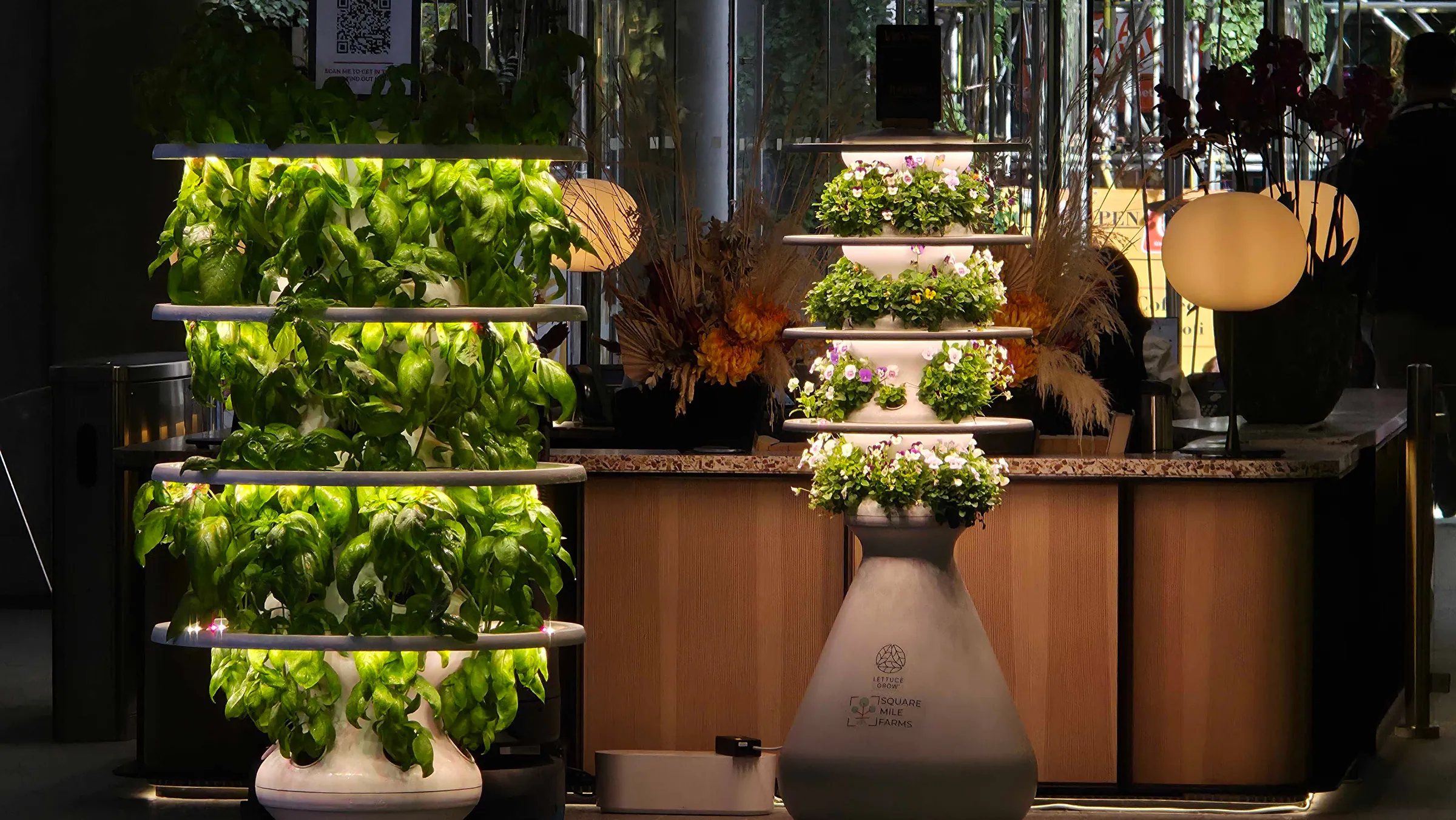 Farms & Experience
Farms, 'Farming as a Service', events, consultancy and design.
 Who we work with
Food services, facilities, assets, workplace design and corporate occupiers.
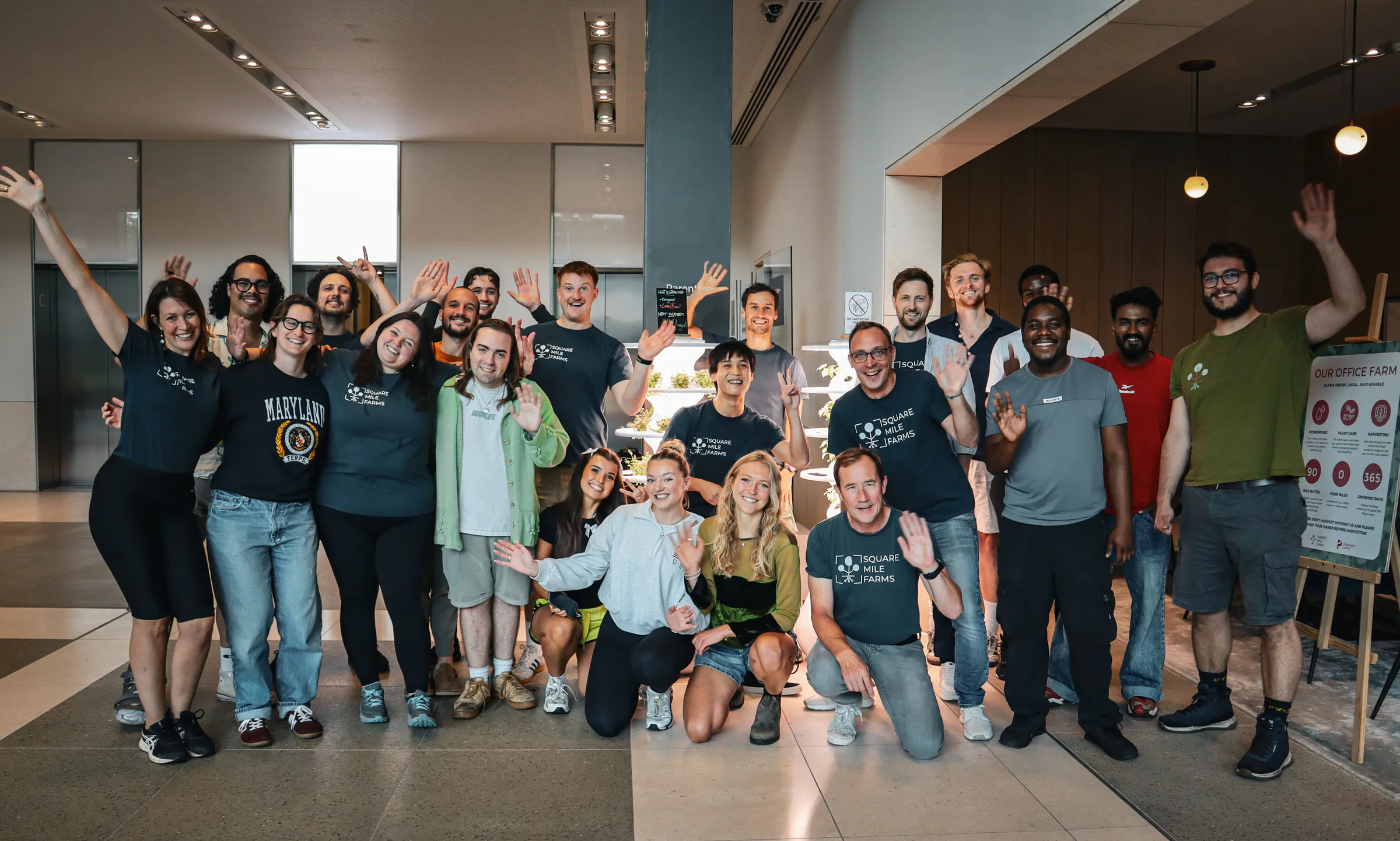 About
Our mission, vision, approach, team and values.
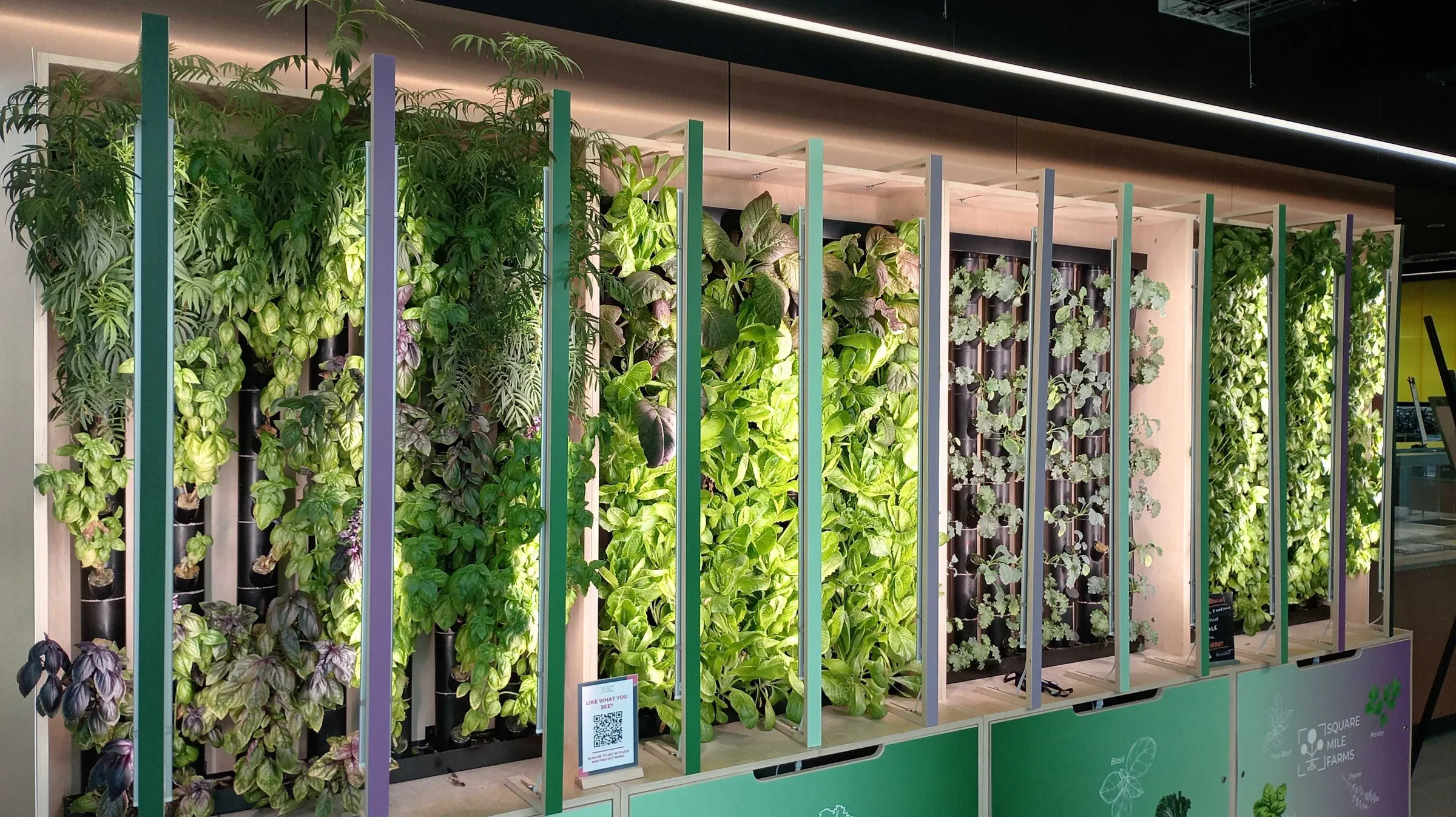 Resources
Case studies, insights, plants, recipes, gallery and FAQs.